Whether it’s routine blood work or advanced diagnostic panels, veterinary labs deliver the data veterinarians need to make informed decisions.
In this article, we’ll explore what veterinary labs do, what services they offer, how to find one near you, and why choosing the right lab matters.
Whether you’re a pet parent descubra mais searching leia mais for a “veterinary lab near me” or a veterinary professional looking for top-tier lab partners, this guide will provide expert insights and practical tips.
What Is a Veterinary Laboratory?
Just like human medical labs, veterinary labs follow strict protocols to ensure accuracy and reliability.
Larger labs may also offer molecular diagnostics, genetic screening, and advanced pathology services.
In the US, veterinary laboratories can operate as standalone diagnostic centers, be integrated into veterinary hospitals, or work as part of nationwide networks.

Common Tests Performed in Veterinary Labs
Routine blood tests, such as complete blood counts (CBC) and blood chemistry panels, provide insights into organ function, immune response, and general wellness.
Advanced labs may also provide molecular diagnostics, including PCR testing for specific pathogens or genetic screenings for hereditary conditions.
These tests are essential for early disease detection, accurate diagnosis, and treatment planning.
How to Find a Veterinary Lab Near You
Start by asking your veterinarian—they often have trusted partnerships with local or national labs and can guide you to the right provider.
Look for labs certified by organizations like the American Association of Veterinary Laboratory Diagnosticians (AAVLD), which ensures high-quality standards.
If you’re a pet owner seeking direct access to a lab for second opinions or advanced testing, contact the lab to understand their intake process—some require referrals, while others accept samples directly.
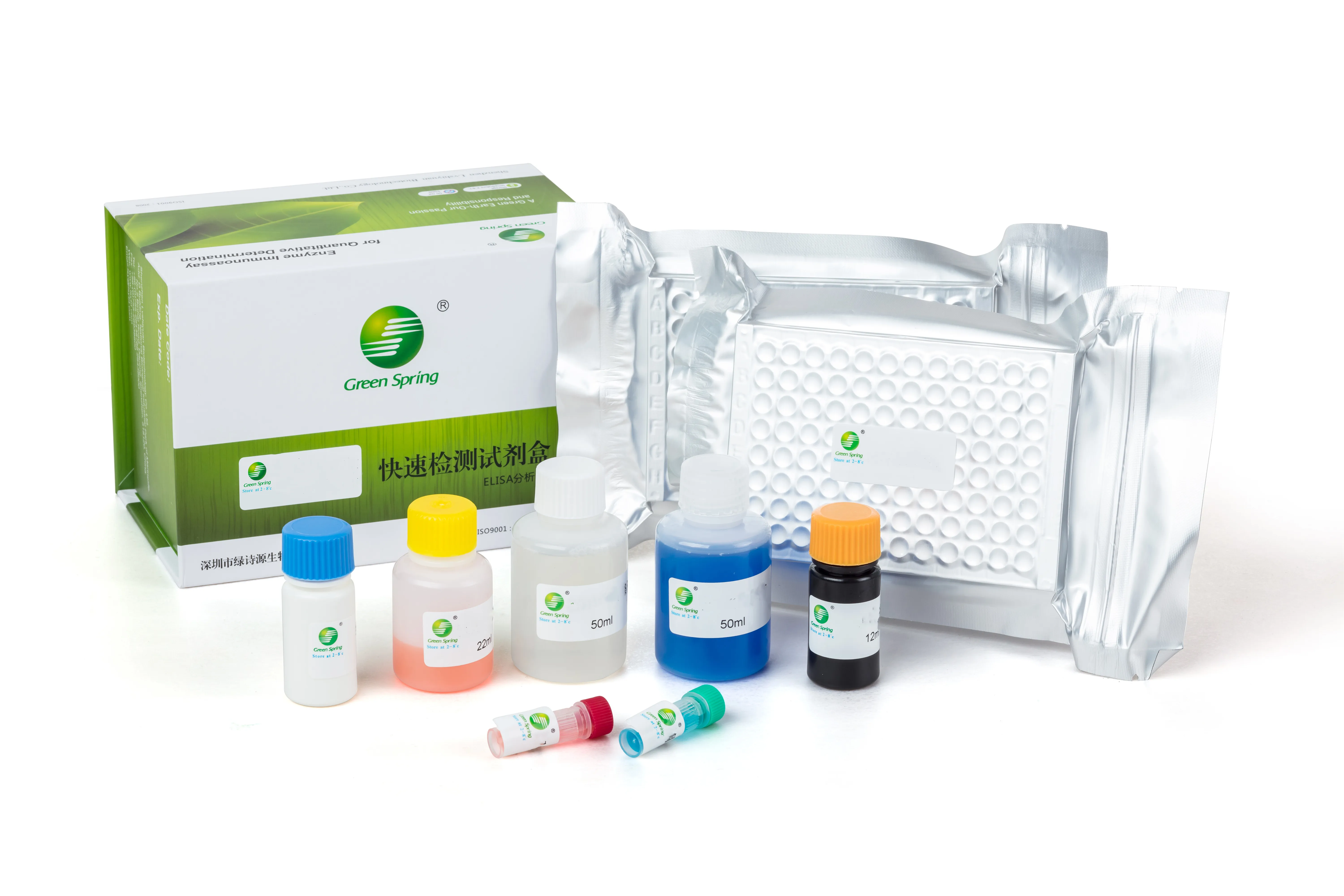
Standard vs. Emergency Veterinary Laboratories
Not all veterinary labs operate the same way.
They maintain specialized staff and equipment ready for fast turnaround on urgent tests.
Discuss with your veterinarian which lab setup best suits your pet’s needs.
How Diagnostic Labs Protect Animal Health
Veterinary diagnostics are the backbone of modern animal healthcare.
For preventive care, routine lab work helps catch issues before symptoms appear.
Ultimately, investing in proper veterinary diagnostics is an investment in your pet’s well-being.
Why a Trusted Veterinary Lab Makes All the Difference
Accurate, timely results help catch problems early, support effective treatments, and give you peace of mind as a pet owner.
The combination of expert veterinary care and reliable diagnostics is what keeps pets healthier, longer.
As veterinary medicine continues to evolve, so do the diagnostic tools available to monitor and protect your pet’s health.
FAQ About Veterinary Laboratories
What is a veterinary diagnostic lab?
These labs support veterinarians by providing accurate, fast diagnostic information essential for proper care.
Where can I get my pet tested locally?
You can also search online directories or check with veterinary associations to find accredited labs in your area.
When should I use a 24-hour veterinary lab?
Always consult your emergency vet to determine the best course of action.
What can veterinary lab tests detect?
Common tests include blood counts, chemistry panels, hormone levels, infectious disease screening, urinalysis, fecal exams, cytology, biopsies, and genetic testing.
What should I expect to pay for pet diagnostics?
Routine bloodwork may range from $50–$200, while specialized or emergency tests can cost more.